Endovenous Thermal Ablation: Preparation and Aftercare Guide
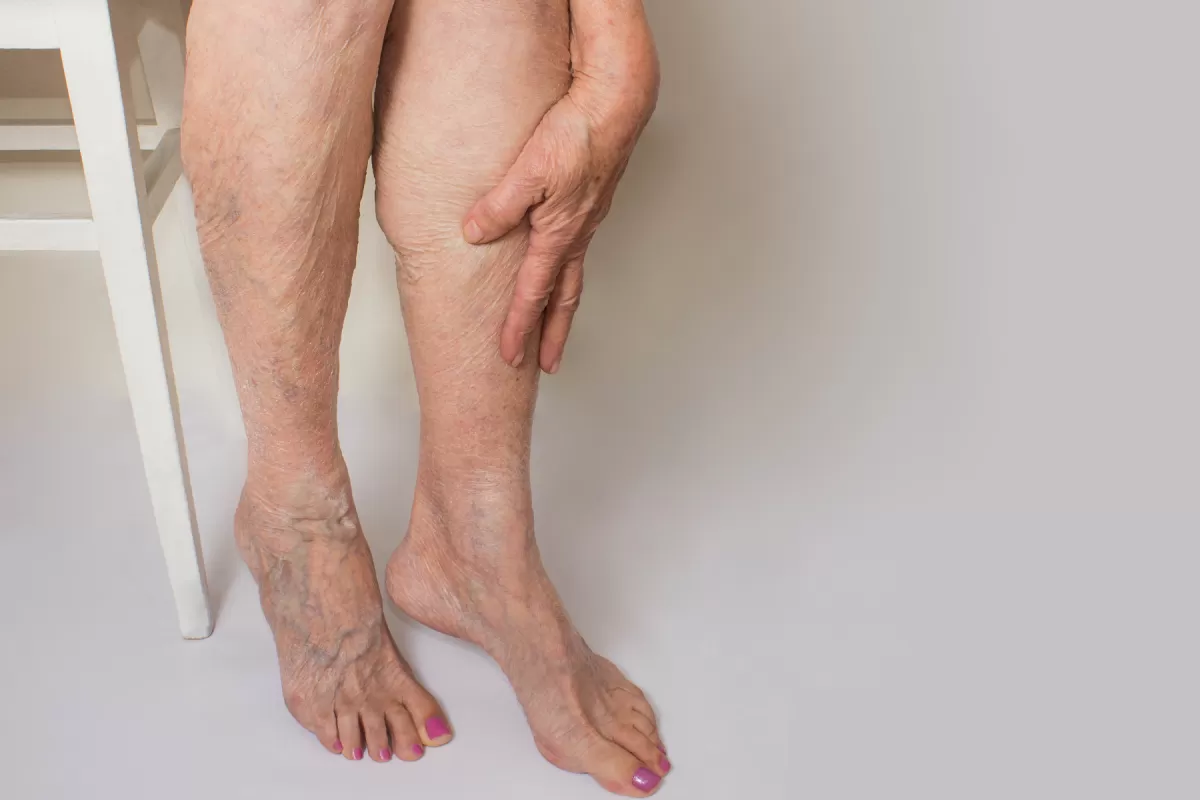
Endovenous Thermal Ablation (EVTA) is a minimally invasive treatment used to treat varicose veins by sealing the affected vein using controlled heat energy either via Laser or Radiofrequency. The procedure improves circulation by redirecting blood flow through healthier veins.
Preparing properly for your procedure and following the recommended aftercare instructions can help ensure a smooth recovery and optimal treatment results.
Below are Dr Melanie Sung’s recommendations on how to prepare for endovenous thermal ablation and how to care for your leg after treatment.
Preparing for Your Endovenous Thermal Ablation
Before the procedure, several steps are taken to ensure the treatment is planned accurately and performed safely.
Prior to treatment, you will meet with our sonographer, who will use ultrasound to carefully assess and mark the veins that require treatment. Our nurse will also measure your legs to determine the correct size for your medical-grade compression stockings.
In the lead-up to your procedure, please follow these preparation instructions.
Two Weeks Before Treatment
Where medically appropriate, avoid medications or supplements that may increase bleeding or bruising, including:
- Iron supplements
- Blood-thinning medications
If you take prescription medications, consult your doctor before stopping them.
The Night Before Your Procedure
Shower and remove hair from the treated leg, extending from the ankle to approximately three finger-widths into the pubic hair region. This helps ensure the treatment area is clean and accessible.
What to Bring to Your Appointment
Please bring your prescribed thigh-high compression stockings, as these will be applied immediately after the procedure. If stockings have been ordered through the clinic, they will be provided to you on the day.
During the Endovenous Thermal Ablation Procedure
Endovenous thermal ablation is performed in the clinic under local anaesthetic and usually takes around 60 minutes.
During the procedure:
- Your doctor will numb the area where the catheter will enter the vein using local anaesthetic.
- Ultrasound imaging is used to identify the affected vein and guide the treatment.
- A small catheter is inserted into the vein through a tiny incision.
- Using ultrasound guidance, the catheter is carefully positioned along the length of the vein.
- Thermal energy is delivered through the catheter, heating the vein wall and sealing it closed as the catheter is gradually withdrawn.
Once the treatment is complete, the incision site is covered with a small bandage and a medical-grade compression stocking is applied. No stitches are required.
Aftercare Following Endovenous Thermal Ablation
Proper aftercare is important for recovery and to reduce the risk of complications.
Immediately After the Procedure
Patients are asked to go for a 30-minute walk immediately after the procedure. We recommend remaining near the clinic during this time in case you need to return for assistance.
Compression Stockings
Compression stockings must be worn 24 hours per day for the first 7 days after treatment. This is an important part of recovery and helps to:
- Reduce bruising and swelling
- Improve circulation
- Reduce discomfort
- Lower the risk of deep vein thrombosis (DVT)
Your stockings should also be worn overnight. However, if you experience pain in your foot or heel while sleeping, remove the stocking while lying down and reapply it in the morning before getting out of bed.
Dressings
Any tape, gauze or dressings applied during the procedure can usually be removed the following day.
When showering, it is recommended to keep your compression stockings on and cover them with a plastic waterproof cover, which can be purchased from your local pharmacy.
Activity
You may return to work as soon as you feel comfortable.
Walking is encouraged following treatment. Patients should walk at least 30-45 minutes each day for two weeks to support circulation and recovery.
Follow-Up After Treatment
A follow-up appointment is usually scheduled one-two weeks after the procedure. During this visit, an ultrasound scan will be performed to assess healing, confirm the treated vein has closed successfully, and exclude the small risk of deep vein thrombosis.
At this appointment, your doctor will also review your recovery and advise whether you can discontinue wearing your compression stockings.
What to Expect After Endovenous Thermal Ablation
Following treatment, some patients experience a tight or pulling sensation along the treated vein. This is sometimes described as a cord-like feeling and may develop between one and four weeks after the procedure. This sensation usually settles gradually as the body absorbs the treated vein.
Mild bruising and tenderness along the course of the vein are also common and generally improve within one to two weeks.
Varicose veins may take time to fully resolve, depending on the severity of the vein disease and how long the condition has been present. While large varicose veins can often be successfully treated, spider veins may not disappear completely.
Most patients notice a significant improvement in the appearance of the leg, with improvements of up to 80% within six months. Some patients may require additional treatments to achieve optimal results.
Endovenous Thermal Ablation in Canberra ACT
Endovenous thermal ablation is a well-established, minimally invasive treatment for varicose veins. It allows patients to treat underlying vein disease without traditional surgery or extended recovery time.
If you are considering varicose vein treatment in Canberra ACT, a consultation with a vein specialist can determine whether endovenous thermal ablation is suitable for your condition.