The Ultimate Guide to Vascular Laser
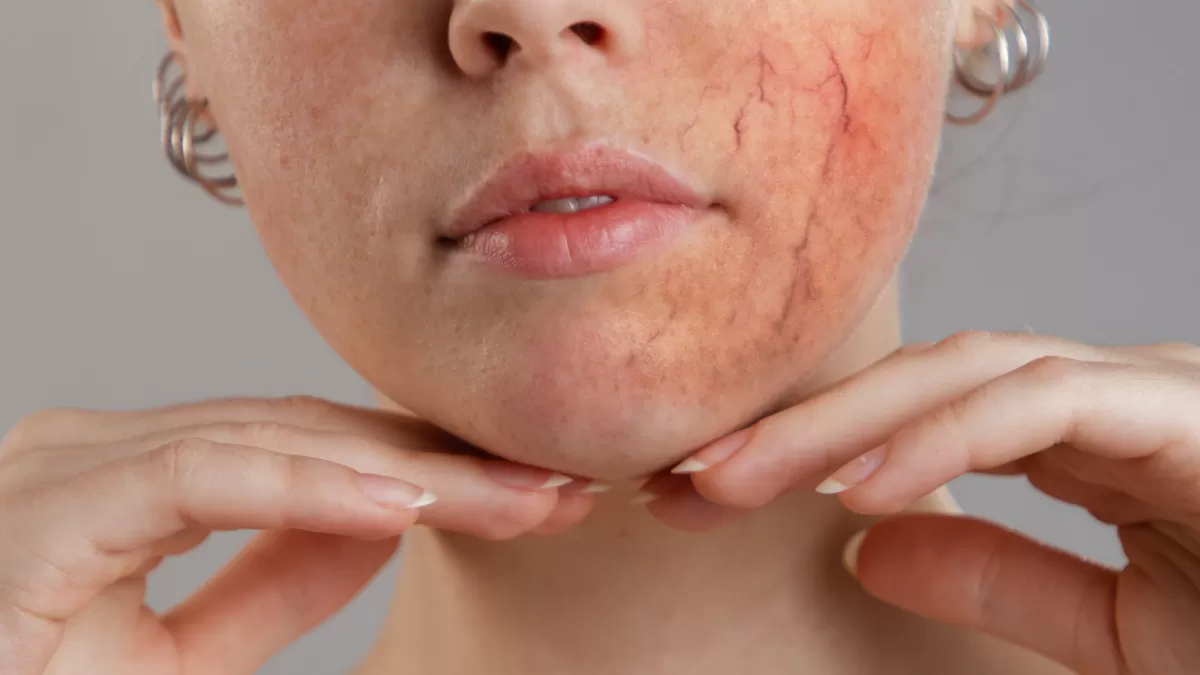
Vascular laser treatment is designed to reduce unwanted blood vessels in the skin, including broken capillaries, persistent redness and facial flushing. It works by delivering a specific wavelength of light that is absorbed by haemoglobin (the red pigment in blood). This allows the laser to selectively target abnormal vessels while largely sparing the surrounding skin.
When performed by properly trained practitioners using appropriate settings, vascular laser treatment is considered safe and clinically effective. Modern devices include cooling systems, such as chilled sapphire plates or cold air, to protect the skin and reduce discomfort. These cooling mechanisms significantly lower the risk of overheating or burns.
How Does It Work?
Different structures in the skin absorb different wavelengths of light. Blood vessels absorb light in specific ranges, particularly within the yellow and near-infrared spectrum.
When the laser pulse is delivered:
- The targeted vessel absorbs the light energy
- The light converts into heat
- The vessel wall is damaged and collapses
- The body gradually clears the treated vessel
This process is known as selective photothermolysis, using light to selectively heat and destroy a target without damaging surrounding tissue.
Other skin targets that respond to specific wavelengths include:
- Pigmented (brown) lesions
- Hair follicles
However, vascular lasers are calibrated specifically for blood vessel treatment.
What’s the Difference Between IPL and Laser?
Laser and IPL (Intense Pulsed Light) are often confused, but they are different technologies.
Laser:
- Uses a single, precise wavelength
- Highly targeted and powerful
- Ideal for larger or well-defined broken capillaries
IPL:
- Uses a broad spectrum of wavelengths
- More diffuse energy delivery
- Often effective for background redness and finer superficial vessels
In many cases, both are used together. The vascular laser treats the larger visible vessels, while IPL helps reduce generalised redness. The choice depends on the condition being treated — not which device sounds more impressive.
What Can Vascular Lasers Treat?
Vascular lasers are commonly used to improve:
- Broken capillaries
- Facial redness
- Rosacea-related flushing and burning
- Spider angiomas
- Venous lakes
- Haemangiomas
- Capillary malformations
They can also support:
- Active inflammatory acne
- Red acne scarring
- Collagen remodelling following scar repair
For many patients, reducing thousands of tiny superficial vessels significantly improves overall facial redness and skin tone.
How Many Treatments Are Required?
For many individuals, one treatment is sufficient. However, some may require two sessions spaced approximately four weeks apart and vascular birthmarks may require 5–6 treatments for significant fading.
Anaesthetic is usually not required due to integrated cooling systems. If needed, topical anaesthetic cream can be applied around 30 minutes before treatment.
What Happens During the Procedure?
You’ll wear protective eyewear and a clear gel may be applied to help the laser glide smoothly over your skin. You might notice each pulse as a quick, gentle snap, often compared to a soft rubber band flick. It’s normal to feel some warmth or mild tingling afterward, which can last a few hours as your skin begins its healing process.
What Happens After Treatment?
Immediately after treatment, the skin may appear
- Red
- Slightly swollen
- Mildly sensitive
This usually settles within hours to a few days. Swelling is more common around the eyes when treating the cheeks or nose. Occasionally, small micro-scabs may form and resolve within a week.
Treated vessels may temporarily darken before fading this can be a positive response, although darkening is not essential for success.
Most treated vessels disappear permanently. However, new vessels may form over time due to genetics, sun exposure, hormonal influences, underlying rosacea.
Maintenance treatments may be required depending on the individual.
Vascular Lasers as Adjuvant (Booster) Treatments
After ablative laser resurfacing or scar repair procedures, the skin continues to remodel for up to two to three months. During this period, gentle non-ablative vascular lasers such as Pulse Dye Laser or Nd:YAG Laser can be used as adjuvant treatments to enhance collagen production and optimise scar remodelling.
These booster sessions:
- Reduce persistent redness
- Improve scar texture
- Enhance overall cosmetic outcomes
- Require no downtime
They are typically commenced two to three weeks after resurfacing once the skin appears healed, and may be performed at three-week intervals.
Possible Side Effects
Complications are uncommon when performed correctly, but potential risks include:
- Burns leading to scabbing
- Temporary or rarely permanent pigment changes
- Higher pigment risk in darker or recently tanned skin
- Very rare scarring (usually secondary to burns)
A thorough consultation and correct laser settings significantly reduce these risks.
Who Is Not Suitable for Treatment?
Vascular laser treatment is not recommended for:
Pregnant or breastfeeding women
Individuals with active skin infections at the treatment site (including cold sores)
Patients with a history of keloid scarring
Those taking photosensitising medications
Individuals unable to provide informed consent
Final Thoughts
Vascular lasers are precise medical tools for treating redness and unwanted blood vessels. When used appropriately, they are safe, effective and capable of producing significant cosmetic improvement.
The outcome depends on accurate diagnosis, appropriate device selection and experienced practitioners. Laser treatment isn’t magic, it’s physics applied carefully to biology.
Controlled light. Controlled heat. Controlled results.