Embrace Peel Season: Reveal Radiant Skin with Winter Chemical Peels
Why Winter Is the Perfect Time for a Chemical Peel
As the cooler months settle in, it’s officially peel season. Winter is the ideal time to book a chemical peel treatment, especially if you’re looking to improve pigmentation, acne scarring, fine lines or dull skin. With reduced sun exposure and more time indoors, your skin can heal more effectively — leading to better, longer-lasting results.
If you’ve been considering a skin refresh, here’s why winter chemical peels are one of the most effective treatments for skin rejuvenation.
What Is a Chemical Peel?
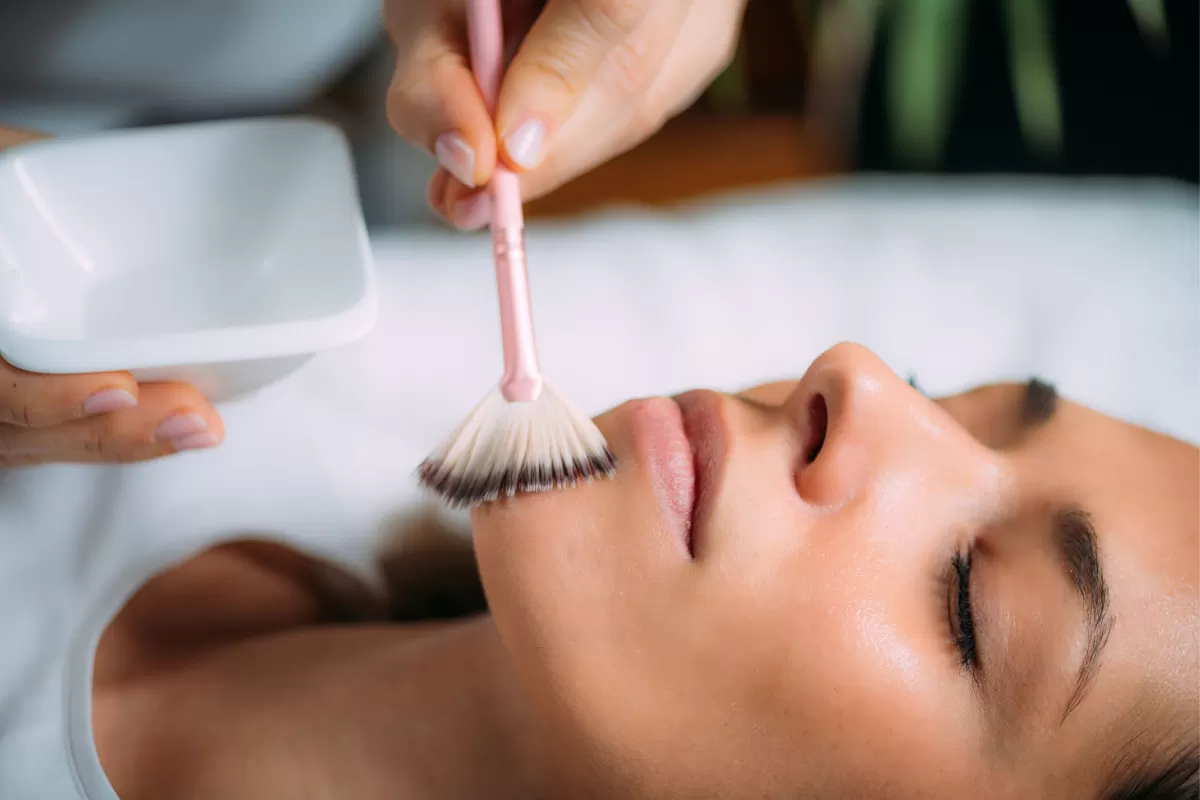
A chemical peel is a professional skin treatment that uses a carefully formulated solution to exfoliate the outer layers of the skin. By removing damaged surface cells, chemical peels stimulate collagen production, increase cell turnover and reveal clearer, smoother skin underneath.
Chemical peels can treat a range of common skin concerns, including:
- Pigmentation and sun damage
- Melasma
- Acne and acne scarring
- Fine lines and early signs of ageing
- Uneven skin tone
- Dull or rough skin texture
Because they encourage natural skin renewal, peels are one of the most effective non-invasive treatments for overall skin rejuvenation.
The Benefits of Chemical Peels in Winter
Pigmentation and Sun Damage Treatment
Chemical peels are highly effective for reducing pigmentation caused by UV exposure and hormonal changes. By exfoliating the top layers of skin, they help fade dark spots and even out skin tone.
Winter is the safest time for pigmentation treatments, as lower UV levels reduce the risk of post-inflammatory hyperpigmentation.
Improved Hydration and Skin Barrier Function
Cold air and indoor heating can leave skin dry and compromised. By removing dead skin build-up, chemical peels allow active skincare ingredients to penetrate more effectively, improving hydration and strengthening the skin barrier.
Smoother Texture and Brighter Skin
Dry, flaky winter skin can look tired and uneven. Peels accelerate cell turnover, revealing fresher skin and restoring a healthy glow. Many patients notice smoother texture and improved luminosity after just one treatment.
Anti-Ageing and Collagen Stimulation
Chemical peels stimulate collagen production, helping to soften fine lines and improve skin firmness. Regular treatments during winter can significantly improve overall skin quality, making them a popular anti-ageing option.
Chemical Peel Aftercare: Essential Tips
Proper aftercare is key to achieving the best results from your chemical peel treatment.
- Always apply a broad-spectrum SPF daily, even in winter.
- Avoid direct sun exposure while your skin is healing.
- Skip saunas, steam rooms and very hot showers for several days post-treatment.
- Use gentle cleansers and moisturisers to support the healing process.
- Avoid active ingredients (like retinol or exfoliating acids) unless advised by your clinician.
- Stay well hydrated to support skin recovery.
Your skincare professional will tailor aftercare instructions based on the depth and type of peel performed.
Is a Chemical Peel Right for You?
Whether you’re treating pigmentation, acne scarring, fine lines or simply want brighter, clearer skin, winter is the perfect season to begin a chemical peel program. A professional consultation ensures the right peel strength and treatment plan for your individual skin concerns.
If you’ve been waiting for the right time to invest in your skin, peel season is it.
Frequently Asked Questions
What is a chemical peel?
A chemical peel is a professional skin treatment that exfoliates the outer layers of skin to improve pigmentation, acne scarring, fine lines and overall skin texture.
Why is winter the best time for a chemical peel?
Winter is ideal for chemical peels because reduced sun exposure lowers the risk of post-treatment pigmentation and allows the skin to heal more effectively.
Are chemical peels safe in Canberra’s winter climate?
Yes. In fact, winter in Canberra is one of the best times to have a chemical peel due to lower UV exposure, which reduces the risk of post-treatment pigmentation and supports safer healing.
Do chemical peels help with pigmentation?
Yes, chemical peels can reduce sun damage, melasma and uneven skin tone by removing damaged surface cells and stimulating healthy skin renewal.
Can chemical peels treat acne scars?
Chemical peels improve mild acne scarring by increasing cell turnover and stimulating collagen production, resulting in smoother skin texture over time.
How long does skin take to heal after a chemical peel?
Healing time varies depending on the strength of the peel, but mild peels may involve light flaking for 3–7 days, while deeper peels require longer recovery.
Do I need to wear sunscreen after a chemical peel?
Yes. Daily broad-spectrum SPF is essential after a chemical peel to protect healing skin and prevent post-inflammatory pigmentation.