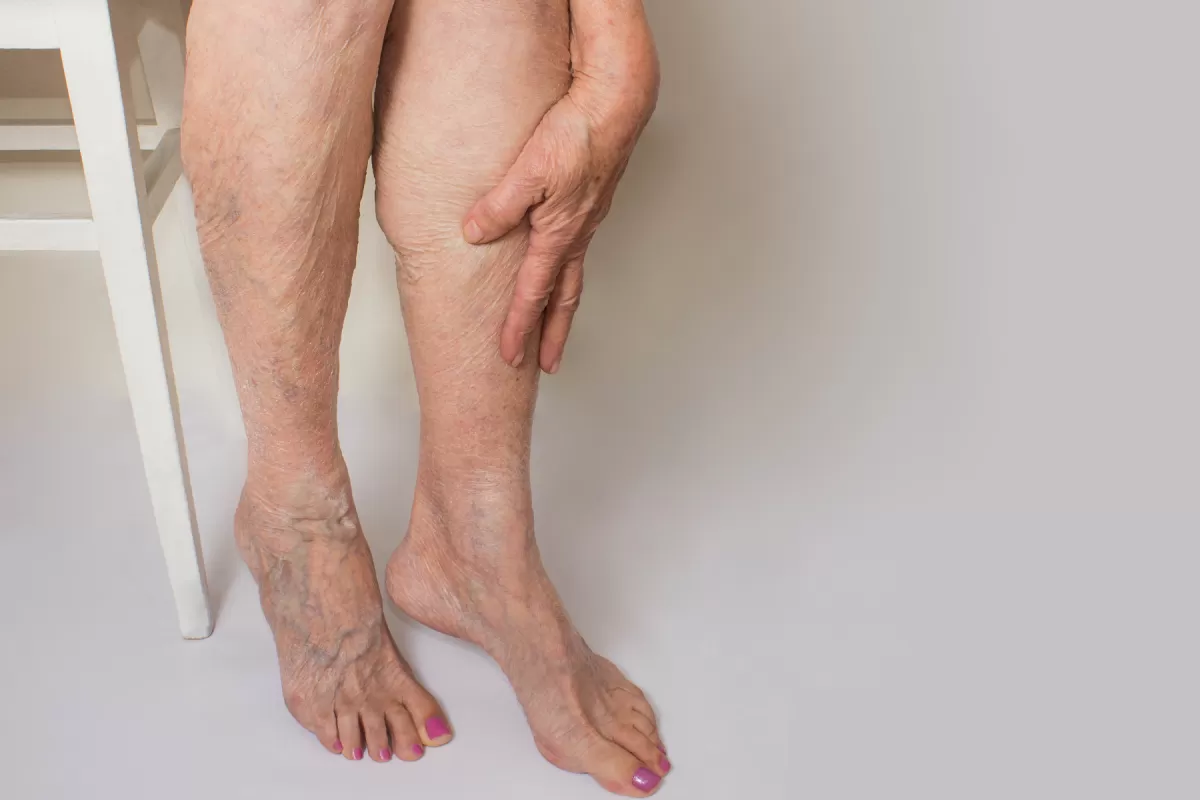
Are Men at Risk of Varicose Veins?

Varicose veins are often thought of as a condition that mainly affects women, but this is a common misconception. Vein disease affects both men and women, and research suggests that approximately 20–30% of men will develop varicose veins during their lifetime.
While many people assume varicose veins are purely a cosmetic concern, they are actually a medical condition related to underlying vein dysfunction. If left untreated, varicose veins can lead to symptoms such as leg pain, swelling and skin changes.
For men experiencing symptoms of vein disease in Canberra ACT, early assessment by a vein specialist can help identify the cause and guide appropriate treatment.
How Do Varicose Veins Develop?
Veins in the legs are responsible for returning blood back to the heart. Because blood must travel upward against gravity, the veins contain small one-way valves that help keep blood moving in the correct direction.
In healthy veins, these valves open to allow blood to move upward and close to prevent it from flowing backwards.
Varicose veins develop when these valves stop functioning properly. When the valves weaken or become damaged, blood can flow backwards and begin to pool in the veins of the legs.
This increased pressure causes the veins to:
- enlarge
- stretch and lengthen
- become twisted and visible beneath the skin
These enlarged, twisted veins are what we recognise as varicose veins.
Symptoms of Varicose Veins in Men
Although some men may notice only visible veins, others experience symptoms that can affect daily activities.
Common symptoms may include:
- aching or heaviness in the legs
- swelling around the ankles
- throbbing or burning sensations in the legs
- fatigue or discomfort after prolonged standing
- visible bulging veins on the legs
These symptoms may worsen with long periods of sitting or standing.
Which Occupations Increase the Risk of Varicose Veins?
Certain occupations may increase the risk of developing varicose veins, particularly those that involve prolonged standing or sitting.
Jobs commonly associated with higher risk include:
- construction and building work
- carpentry and electrical trades
- retail and hospitality roles
- office or desk-based jobs
- transport and driving roles
Remaining in one position for extended periods can increase pressure in the leg veins, which may contribute to vein disease over time.
Why Early Vein Assessment Is Important
Before treating varicose veins, it is important to determine which veins are affected and why the condition has developed.
A comprehensive vein assessment typically includes a venous duplex ultrasound, which allows the doctor to visualise blood flow within the veins and identify any valve dysfunction.
This assessment helps determine the most appropriate treatment plan for each individual patient.
Varicose Vein Assessment in Canberra ACT
Modern vein treatments are designed to treat the underlying cause of varicose veins using minimally invasive techniques. A consultation with a qualified vein specialist can help determine whether treatment is appropriate and which options may provide the best outcome.
If you are experiencing symptoms of vein disease or are concerned about visible veins, booking a comprehensive vein assessment with THE R CLINIC in Canberra is the first step towards understanding your condition.