Understanding the Differences between Varicose Veins and Spider Veins: A Comprehensive Guide by Canberra Vein Care
Visible veins on the legs are a common concern, but not all vein conditions are the same. Two of the most frequently diagnosed vascular conditions are varicose veins and spider veins. While they may appear similar at first glance, they differ in size, symptoms and treatment options.
If you are searching for vein treatment in Canberra, understanding the difference between these conditions can help you determine when medical assessment may be beneficial.
At specialised vascular clinics such as Canberra Vein Care, modern minimally invasive vein treatments are available for both varicose veins and spider veins.
What Are Varicose Veins?
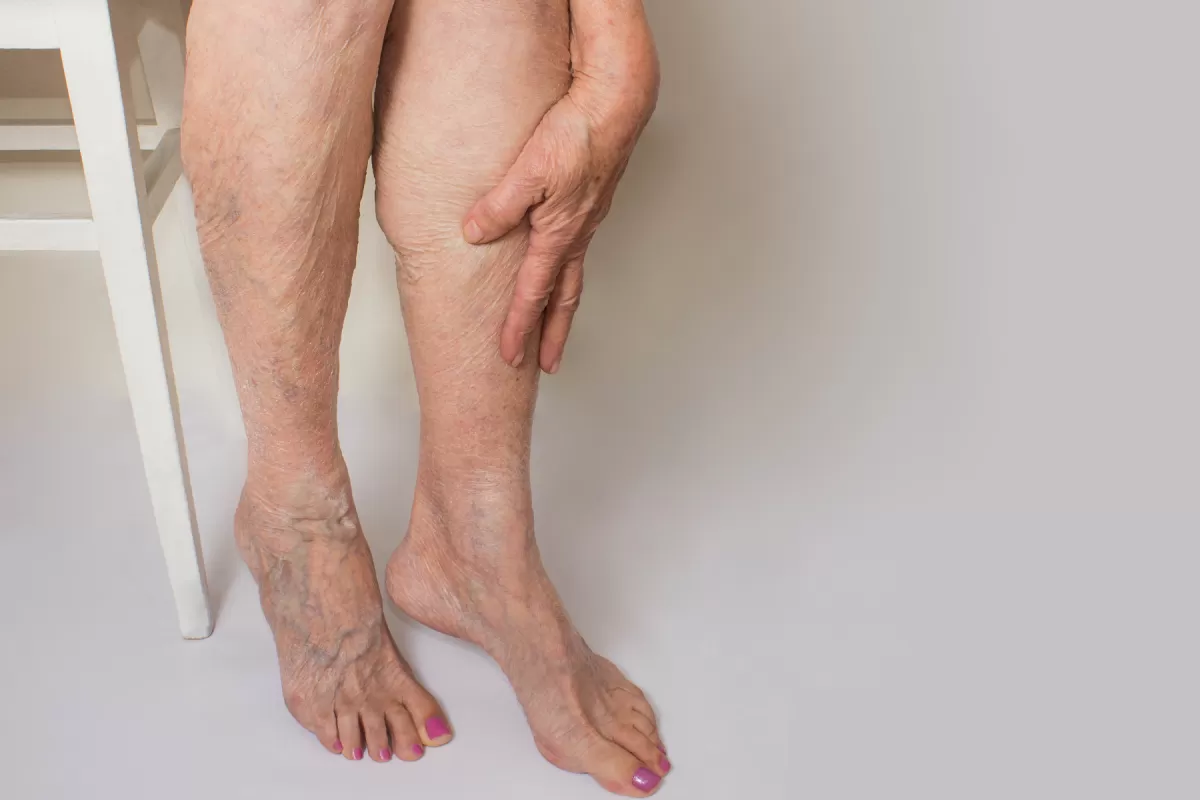
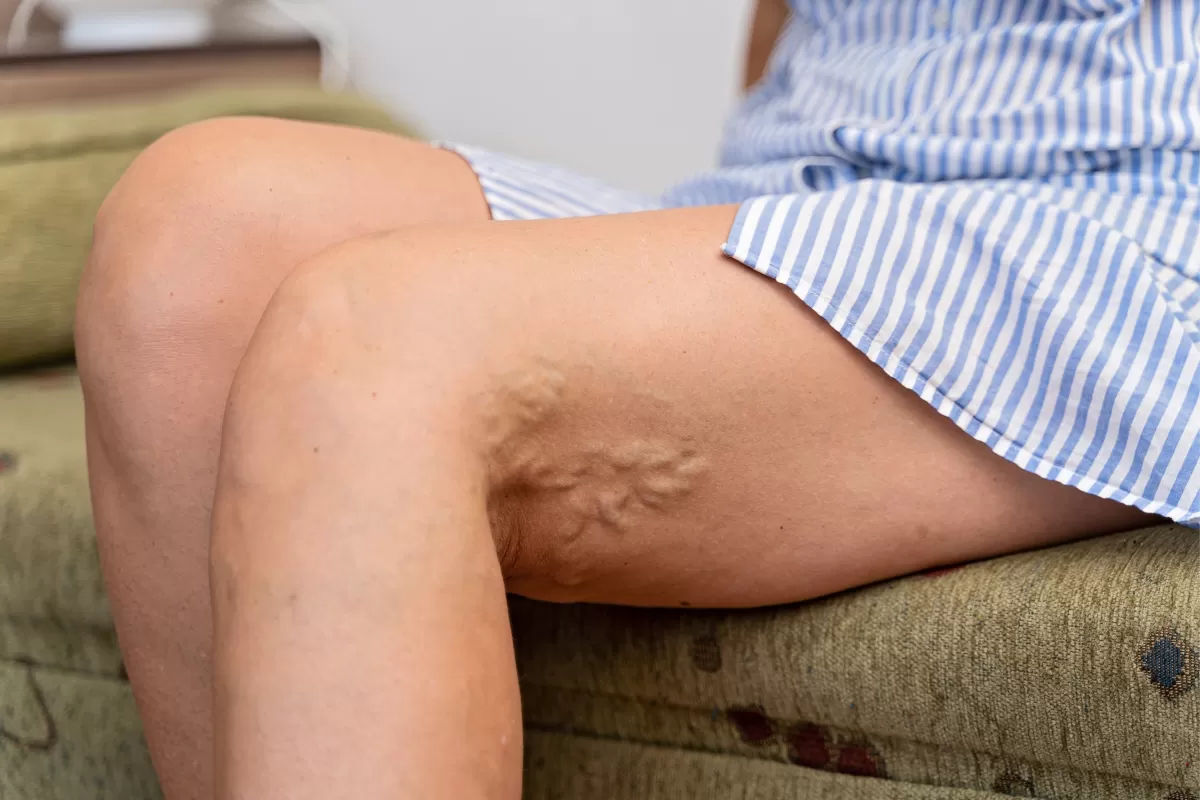
Varicose veins are enlarged, swollen veins that most commonly develop in the legs. They occur when the valves inside the veins become weak or damaged, a condition known as venous insufficiency.
Healthy veins contain valves that help blood travel upward toward the heart. When these valves do not function properly, blood can flow backwards and pool within the vein. Over time, this increased pressure causes the vein to enlarge and become visible beneath the skin.
Varicose veins are typically:
- Blue or purple in colour
- Bulging or twisted in appearance
- Raised above the skin surface
In addition to their appearance, varicose veins may cause symptoms such as aching, heaviness, throbbing or swelling in the legs. Symptoms often worsen after long periods of standing or sitting and may progress if left untreated.
What Are Spider Veins?
Spider veins are smaller, superficial blood vessels that appear close to the skin’s surface. Medically, they are referred to as telangiectasia.
They are commonly red, blue or purple and often resemble a spider web or branching pattern beneath the skin. Unlike varicose veins, spider veins are typically flat and do not bulge.
Spider veins can occur in several areas of the body, including:
- The thighs and calves
- Around the ankles
- The face, particularly around the nose and cheeks
While spider veins usually do not cause physical symptoms, they can be cosmetically bothersome and are a common reason patients seek vein treatment in Canberra.
Key Differences Between Varicose Veins and Spider Veins
Although both conditions involve visible veins, there are several important differences.
Size and Appearance
Varicose veins are larger and often raised or bulging above the skin surface. Spider veins are much smaller and appear as fine web-like or branching lines close to the skin.
Location
Varicose veins most commonly develop in the legs due to increased pressure in the lower limb veins. Spider veins can also appear on the legs but are frequently seen on the face and ankles as well.
Symptoms
Varicose veins often cause symptoms such as aching, heaviness, swelling and discomfort in the legs. Spider veins rarely cause physical symptoms and are typically treated for cosmetic reasons.
Treatment Options for Varicose Veins in Canberra
Modern vein treatment focuses on minimally invasive techniques that improve blood flow while avoiding traditional surgical vein stripping.
At specialised vein clinics in Canberra and Belconnen ACT, treatment options for varicose veins may include:
Endovenous Thermal Ablation
This minimally invasive procedure uses controlled heat energy to close the affected vein. Blood flow is naturally redirected to healthier veins nearby, relieving symptoms and improving circulation.
Medical Superglue (Cyanoacrylate Closure)
This innovative technique uses a specialised medical adhesive to seal the diseased vein. Once the vein is closed, blood is rerouted through normal veins, reducing pressure and symptoms.
Ultrasound-Guided Sclerotherapy
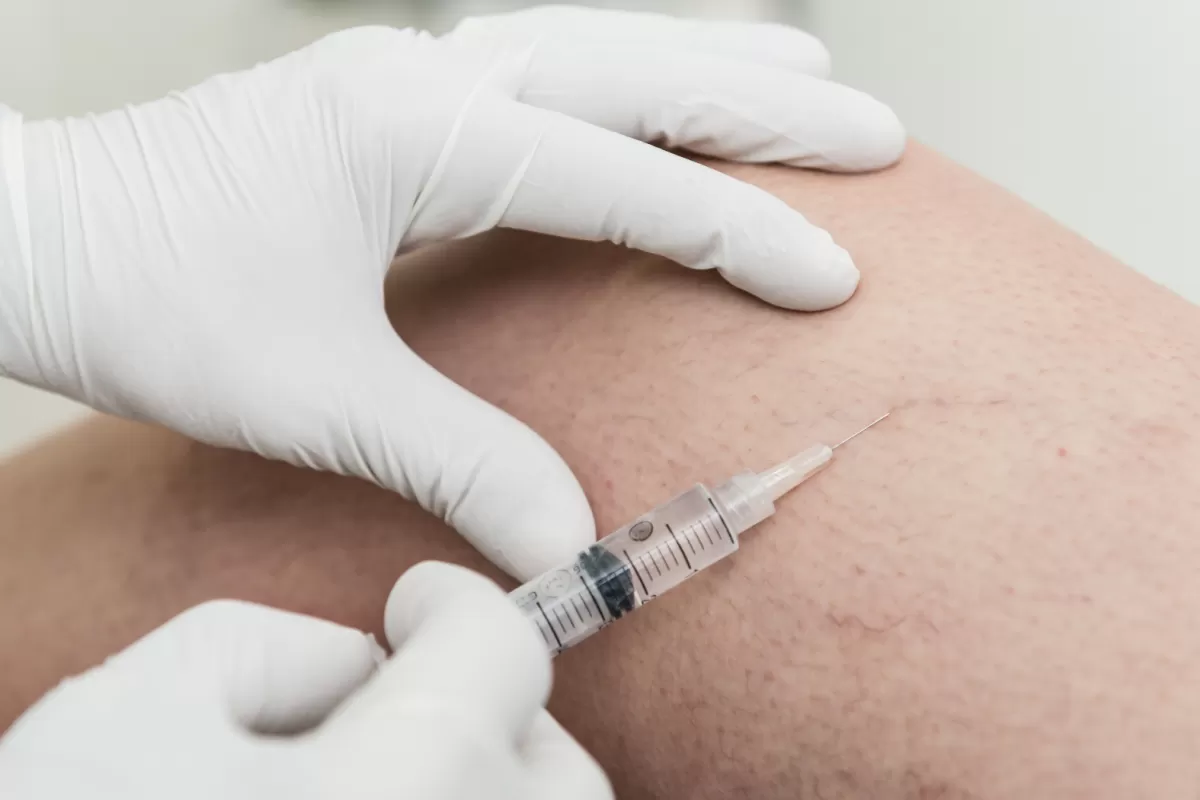
In this procedure, a specialised solution is injected into the affected vein under ultrasound guidance. The solution causes the vein walls to collapse and gradually be absorbed by the body.
Treatment Options for Spider Veins in Canberra
Spider veins are typically treated using injection or laser-based techniques designed to collapse the small superficial vessels.
Common treatment options include:
Ultrasound-Guided Sclerotherapy
A medical solution is injected into the spider vein, causing the vessel to collapse and gradually fade as it is cleared by the body.
Micro Sclerotherapy
This specialised technique uses extremely fine needles to treat smaller superficial spider veins. In some cases, vein visualisation technology such as AccuVein may be used to improve accuracy during treatment.
When Should You Seek Vein Treatment?
Not all visible veins require treatment, but medical assessment may be recommended if you experience:
- Persistent leg pain or aching
- Swelling in the legs or ankles
- Heaviness or fatigue in the legs
- Bulging or worsening veins
- Skin changes around the ankle area
Early assessment by a vein specialist in Canberra can help determine the underlying cause and the most appropriate treatment approach.
Vein Treatment in Canberra
Modern vascular treatments allow many patients to manage vein conditions without major surgery or prolonged recovery.
At specialised clinics such as Canberra Vein Care, minimally invasive procedures can effectively treat both varicose veins and spider veins while allowing patients to return to normal activities quickly.
If you are concerned about visible veins or symptoms in your legs, a consultation with a qualified vein specialist in Canberra can help determine the best treatment plan for your individual needs.