The Ultimate Guide to IPL Photo-Rejuvenation
If you’re struggling with facial redness, broken capillaries, sun damage, pigmentation or early skin laxity, IPL photo-rejuvenation may be one of the most effective non-surgical treatments available.
Often compared to laser therapy, IPL (Intense Pulsed Light) has evolved significantly over the past decade. Modern devices are powerful, precise and capable of delivering impressive results — particularly for sun-damaged Australian skin.
Here’s everything you need to know before booking a treatment.
What Is IPL Photo-Rejuvenation?
IPL (Intense Pulsed Light) is a light-based treatment designed to improve overall skin tone, reduce pigmentation, treat visible blood vessels and stimulate collagen.
While IPL is often grouped with lasers, there’s a key difference:
Lasers use a single, specific wavelength of light.
IPL delivers a broad spectrum of light wavelengths.
Why does this matter?
Different structures in the skin, such as pigment or blood vessels — absorb different wavelengths of light. Because IPL uses multiple wavelengths, it can target several skin concerns in one treatment session.
This makes IPL particularly effective for:
- Diffuse facial redness
- Rosacea-related flushing
- Sun damage
- Freckles and age spots
- Broken capillaries
- Uneven skin tone
IPL vs Laser: What’s the Difference?
This is one of the most common questions patients ask.
Lasers
- Single wavelength
- Highly targeted
- Known for precision and intensity
- Long-established in cosmetic dermatology
IPL
- Multiple wavelengths
- Treats broader areas and multiple concerns simultaneously
- New-generation devices rival or exceed many lasers for certain conditions
- Similar safety and side-effect profile to laser when performed correctly
Early IPL systems had limitations, which contributed to mixed results. However, modern medical-grade IPL platforms are significantly more advanced, delivering reliable, consistent outcomes — particularly for pigmentation and vascular concerns.
In experienced hands, both IPL and laser treatments can be excellent. The best choice depends on your skin type, condition and goals.
What Can IPL Treat?
1. Blood Vessels & Facial Redness
IPL is highly effective for vascular concerns, including:
- Broken capillaries
- Persistent facial redness
- Flushing and burning associated with rosacea
- Diffuse redness caused by thousands of tiny surface vessels
By targeting haemoglobin within blood vessels, IPL causes them to collapse and gradually fade, reducing overall redness and improving skin clarity.
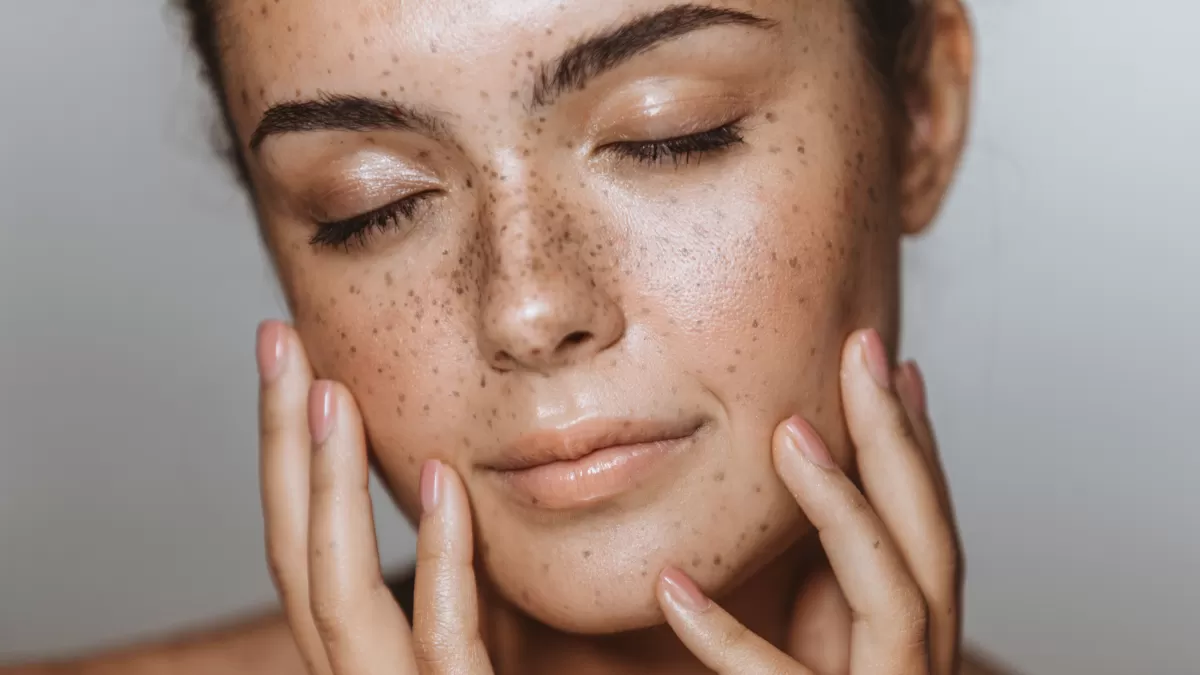
2. Pigmentation & Brown Spots
Australia’s high UV exposure means pigmentation is extremely common.
IPL can treat:
- Freckles
- Sun spots
- Age spots
- Liver spots
- Uneven pigmentation
Common treatment areas include:
- Face
- Neck
- Décolletage (V-chest)
- Hands
Pigmented lesions absorb the light energy, darken temporarily, then flake away over approximately 7 days.
Sun protection is essential post-treatment, particularly in Australia where UV intensity is high and pigment recurrence is common without ongoing sun care.
3. Skin Tightening & Collagen Stimulation
IPL can also utilise infrared wavelengths to gently heat the deeper collagen layers of the skin.
This produces:
- Mild skin tightening
- Subtle improvement in laxity
- Smoother skin texture
Common areas treated include:
- Face
- Jawline and jowls
- Chin
- Neck
- Arms
- Abdomen
While not a replacement for surgical lifting, IPL can provide noticeable refinement and firmness when performed as part of a structured treatment plan.
What Happens During an IPL Treatment?
IPL is generally well tolerated and does not usually require anaesthetic.
Here’s what to expect:
- Protective eyewear is worn throughout the procedure.
- A cooling plate built into the device protects the skin and reduces discomfort.
- A cool gel may be applied to improve contact.
- Each pulse produces a bright flash of light.
- Sensation is often described as a quick rubber band flick.
- Mild warmth or burning may persist briefly after each pulse.
- Super-chilled air is used during treatment to enhance comfort.
Even though the flashes may appear bright, protective eyewear ensures your eyesight remains completely safe.
How Many Treatments Are Needed?
Most patients require:
- Up to 3 treatments
- Spaced approximately 4 weeks apart
Additional sessions can further improve complexion and maintain results.
Your practitioner will tailor the number of treatments based on:
- Skin type
- Severity of redness or pigmentation
- Presence of rosacea
- Treatment goals
What Happens After Treatment?
The treated area will be red and slightly sensitive for a few hours. Make-up may be applied if desired. Occasionally these may be accompanied by swelling (especially around the eyes), micro scabbing that will settle within a week.
Treated vessels may darken which is a good sign but is not necessary for the treatment to be effective. Most of the treated vessels will disappear although some may return after 24 hours, indicating a need for further treatment. The treatment results are long lasting but new vessels may occur naturally, or as part of the underlying rosacea process, requiring top-up treatments years later.
Treated pigment will darken indicating that the treatment has worked. These pigmented spots will further darken in the next few days and gradually work its way up the skin and be expelled after 7 days. Sun avoidance is crucial to keep the pigments away. In Australia, the rate of pigment recurrence is higher because of the higher level of UV exposure.
What are the unwanted side effects of photo-rejuvenation?
Side effects are uncommon with newer generation devices. However, the following may occur:
- Burns to the skin leading to scabbing
- Alteration in pigment – darker or lighter
- Darker skin individuals and those with recent tanning are at greater risk of development both increase or decrease in pigment
- The alteration in pigment may either be temporary or rarely, permanent
- Scarring and indentations – usually as a result of burns (extremely rare)
Is everyone suitable for photo-rejuvenation?
We do not treat:
- Pregnant or breast-feeding women
- Children under age 18 without parental consent
- Current significant skin disease / infections such as cold sores at the site of treatment
- History of keloid scarring
- History of light sensitivity include connective tissue disorders, lupus, porphyria
- Patients on medication that causes sensitivity to light
- Any emotional, mental or medical condition that may impair judgment